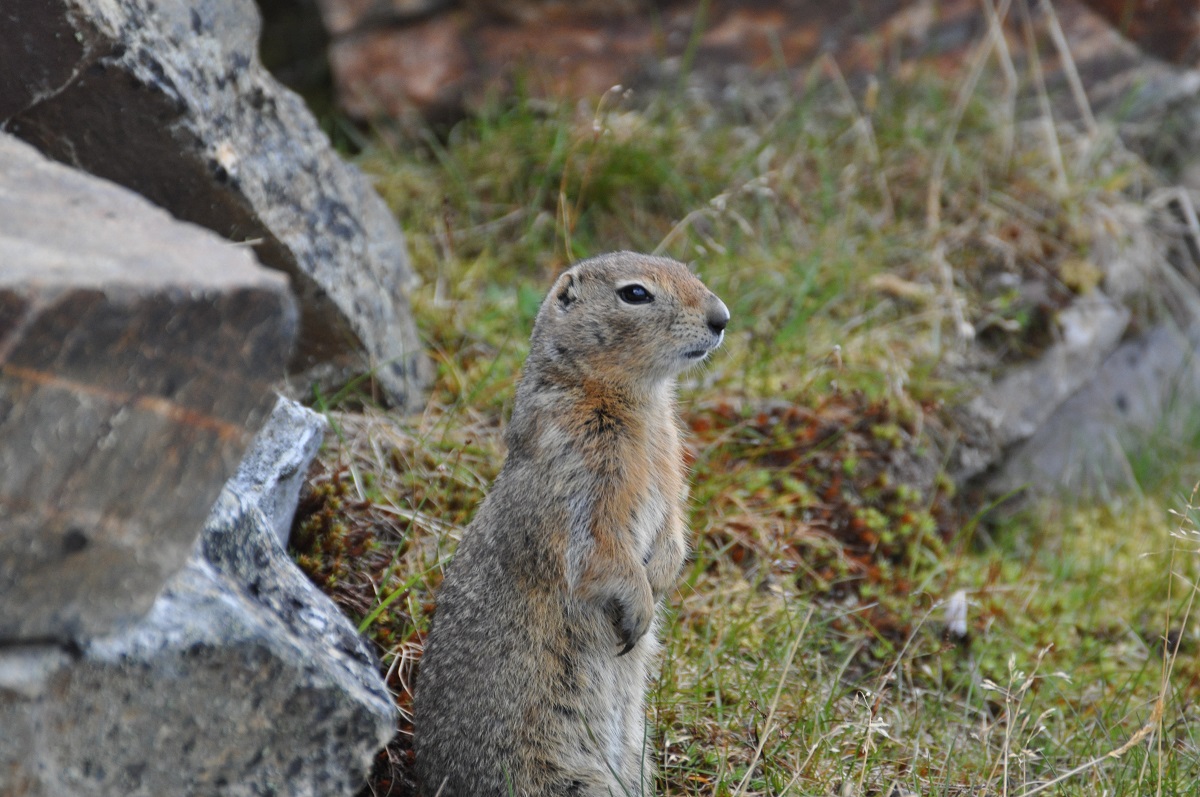
Credit: Ryan Agar
Name
- Common name: Arctic Ground Squirrel
- Scientific name: Spermophilus parryii
- Order: Rodentia
- Family: Sciuridae
Also known as
Sik-sik, Gopher
Viewing opportunities
- Arctic Ground Squirrels are a very common sight along Yukon highways and hillsides. They are most active on warm, sunny days but remain in their burrows during heavy rains and intense heat.
- Visit Jake’s Corner at km 1342 on the Alaska Highway for a glimpse at melanistic Arctic Ground Squirrels. Melanistic is a genetic mutation that results in the presence of all colour, so the squirrels in this population have black coats.
Description
- Generally tan in colour with a white spotted back.
- Short and fat with a long thin tail.
- There are also small populations of melanistic ground squirrels that are totally black in colour.
Fast facts
- Length: 39 cm
- Weight: 700 g
- Lifespan: 9 years
- Predators: Raptors and every carnivore of every size from Ermine to Grizzly Bears
- Habitat: South-Facing Slopes, Tundra
Conservation status
- Yukon: S4S5 (Apparently Secure/Secure)
- Global: G5 (Secure)
Yukon population estimate
Not determined.
Behaviour
Arctic Ground Squirrels are social animals that live in scattered colonies to allow for greater safety from predators by having many eyes on watch. They are not territorial but males will defend a small home-range from other males. They hibernate from early-October to mid-April. Arctic Ground Squirrels are fat-storing hibernators and are able to supercool their bodies to -2.9˚C while keeping their brains just above freezing. This is colder than any other mammal in hibernation.
Diet
Seeds, leaves, flowers, berries, leaf buds, catkins, mushrooms, carrion
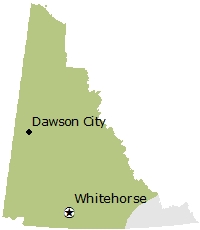
Distribution
Sights and sounds
env-arctic-ground-squirrel-audio.mp3
Credit: Charles D. Duncan/Macauley Library at Cornell Laboratory of Ornithology
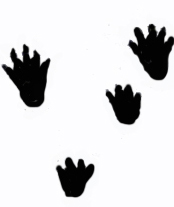
Arctic Ground Squirrel tracks, front:1.9 x 1.5 cm, hind: 2.5 x 1.9 cm.
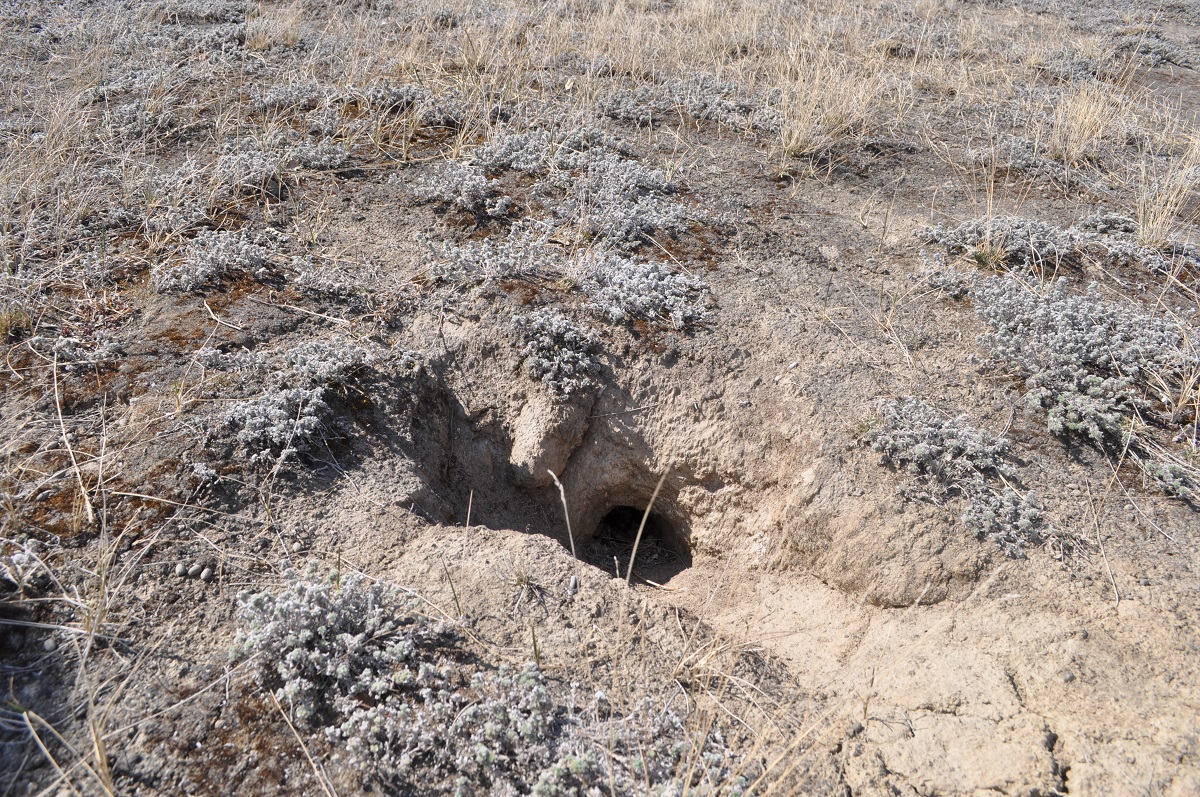
Burrow.
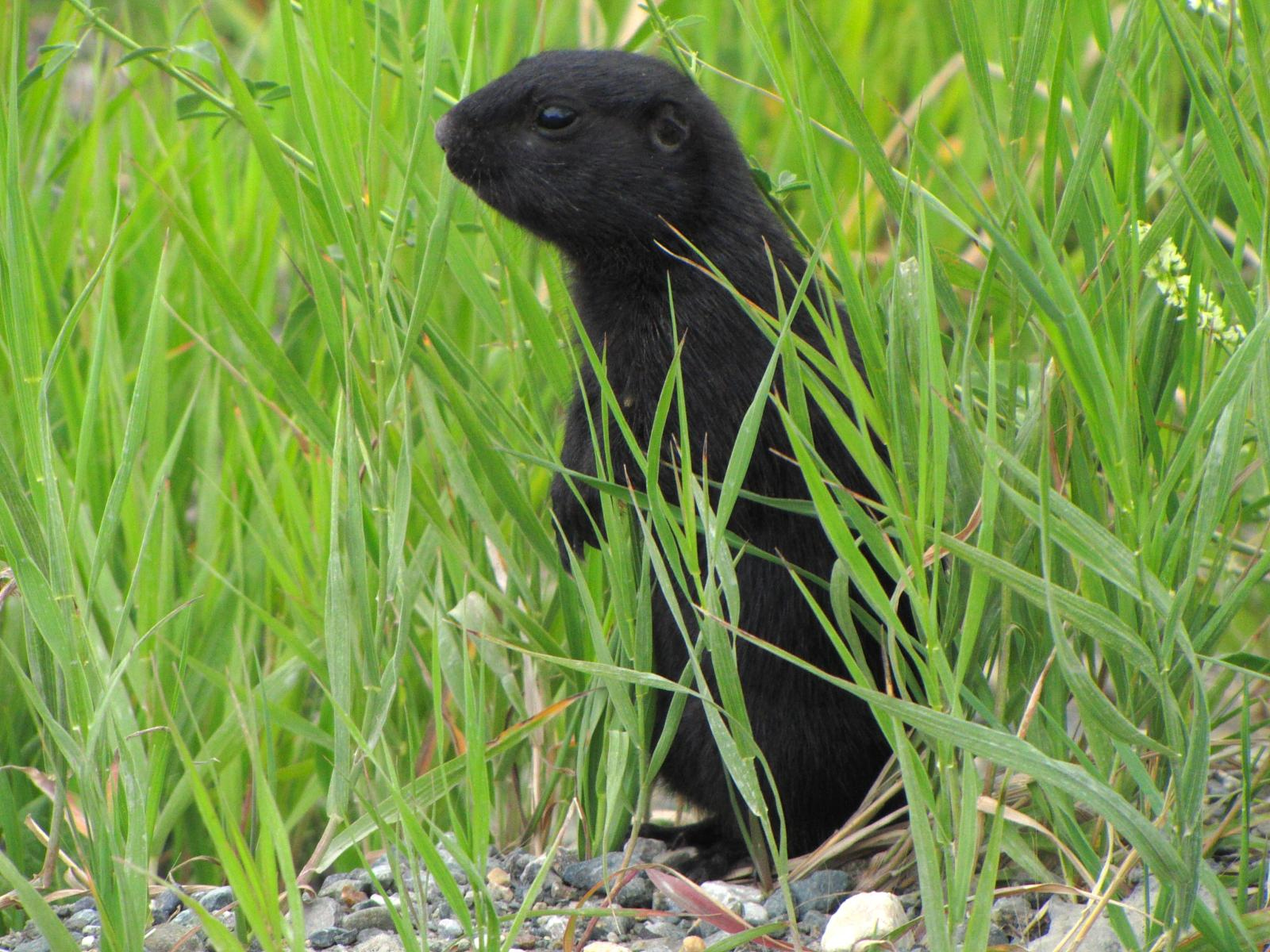
Melanistic (black) Arctic Ground Squirrel. Credit: Krista Funk.
Arctic Ground Squirrels and people
- For First Nations people, the Arctic Ground Squirrel was a welcome treat when they emerged from hibernation in spring. Women trapped squirrels in snares made of twisted sinew and squirrels were considered at their best in late-summer.
- Pelts were traditionally used for making robes and trimming ceremonial garments, though there are few markets for ground squirrel skins today.